 By Admin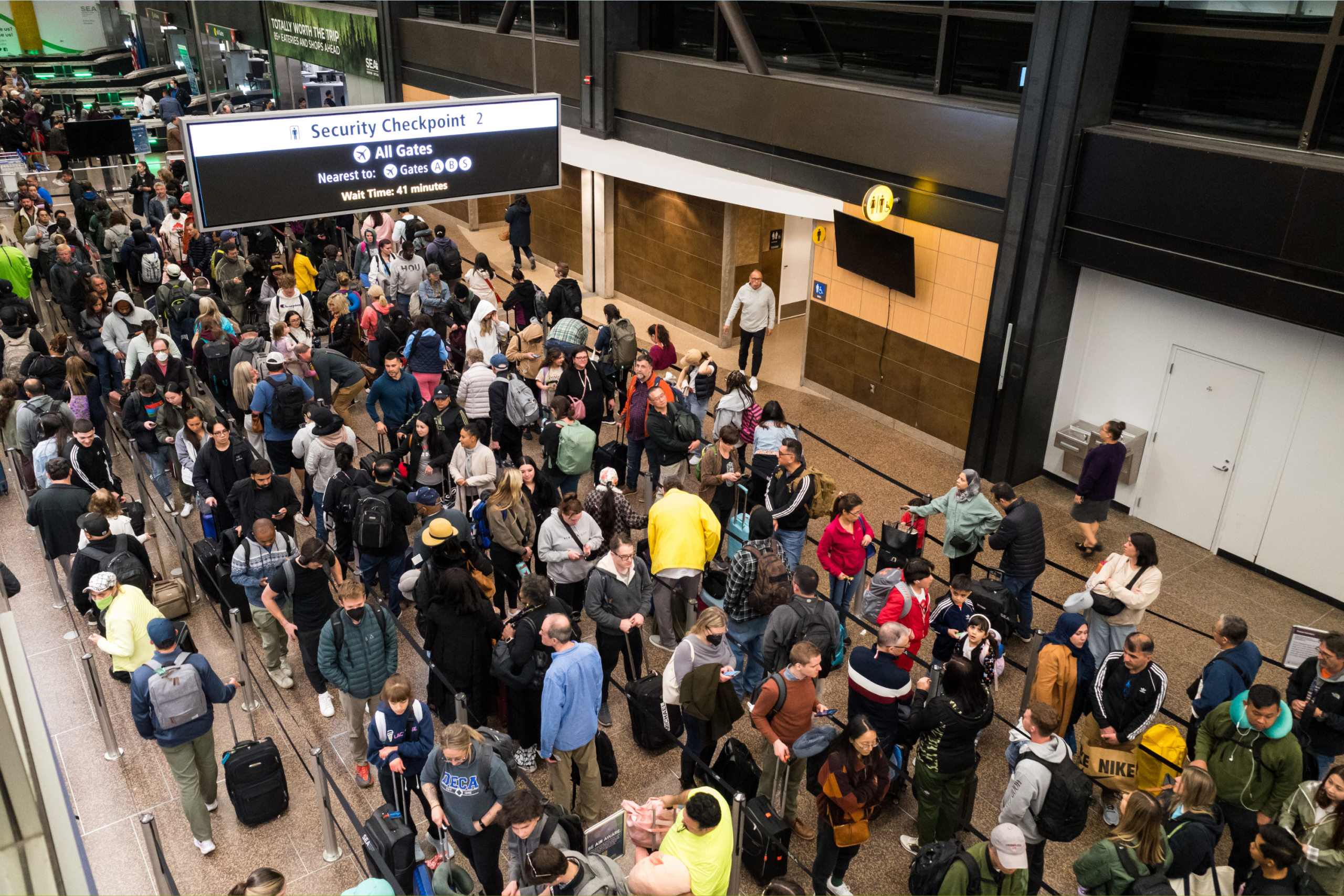
Air travel across the United States faced significant disruption over the Easter holiday weekend, as severe spring storms collided with one of the busiest travel periods of the year. The combination of extreme weather and heavy passenger traffic created a ripple effect that impacted thousands of US Flight and travelers nationwide.
According to US Flight-tracking data, more than 15,000 delays and over 2,000 cancellations were recorded between April 2 and April 4. On Easter Saturday alone, over 6,000 flights were delayed and nearly 500 were canceled, highlighting the scale of disruption across the country’s aviation network.
Major Airports Bear the Brunt of the Storm
The most severe disruptions were concentrated in key aviation hubs, particularly across the Midwest, South, and Southeast regions. Thunderstorms, poor visibility, and rapidly changing weather conditions forced authorities to impose ground stops and air traffic restrictions at several major airports.
At Chicago O’Hare International Airport, one of the busiest airports in the world, operations were hit especially hard. More than 800 flights were canceled in a single day after multiple ground stops were issued due to storm activity. As a central hub for American Airlines and United Airlines, delays at O’Hare quickly spread across their national networks.
In Texas, Dallas/Fort Worth International Airport experienced widespread delays, with nearly half of its daily flights disrupted. Similarly, George Bush Intercontinental Airport faced significant operational challenges as storms moved through the region.
Meanwhile, Hartsfield-Jackson Atlanta International Airport, a major hub for Delta Air Lines, also reported hundreds of delays. Although cancellations were comparatively lower, congestion and scheduling issues still caused widespread inconvenience.
US Flight Airlines Struggle to Keep Up
The US Flight disruption extended beyond weather-related delays. Airlines such as American Airlines, United Airlines, Delta Air Lines, Spirit Airlines, and JetBlue Airways all faced operational strain as aircraft rotations and crew schedules were thrown off balance.
When flights are delayed or canceled at major hubs, the impact spreads quickly across the entire system. Aircraft and crew members are often unable to reach their next destinations on time, leading to further cancellations and delays throughout the network.
Passengers reported long lines at airports, missed connections, and overcrowded terminals as airlines worked to manage the backlog.
Passengers Caught in the Middle
For travelers, the timing of the disruption could not have been worse. The Easter weekend typically sees a surge in family travel, vacations, and return journeys, making it one of the busiest periods for airlines.
Many passengers found themselves stranded or forced to rebook flights at short notice. Delays at security checkpoints and boarding gates added to the frustration, while limited availability of alternative flights made recovery slower than usual.
The situation highlighted the vulnerability of air travel systems during peak demand periods, especially when combined with unpredictable weather.

Why Storms Cause Such Large-Scale Disruptions
Severe weather remains one of the biggest challenges for the aviation industry. Thunderstorms, lightning, strong winds, and low visibility can all pose serious risks to flight safety.
When such conditions occur near major airports, air traffic controllers may reduce the number of flights taking off or landing, or temporarily halt operations altogether. These decisions, while necessary for safety, often create a cascading effect across the entire air travel network.
In this case, the concentration of storms over major hub airports amplified the disruption, affecting flights across multiple regions simultaneously.
Signs of Improvement After the Peak Disruption
By Easter Sunday, early signs of recovery began to emerge. As the most severe weather systems moved eastward and gradually weakened, flight operations started to stabilize in several regions.
Airlines indicated that conditions were expected to improve further heading into Easter Monday, with fewer delays and a more manageable schedule. However, they also advised passengers to continue checking their flight status regularly, as residual delays and scheduling adjustments could still occur.
News which you won’t want to miss
- Why Osho Collected 93 Rolls-Royces and Shocked the Entire World
- Iran Ceasefire Explained: How Trump’s War Threats Turned Into a Fragile Two-Week Truce