 By Admin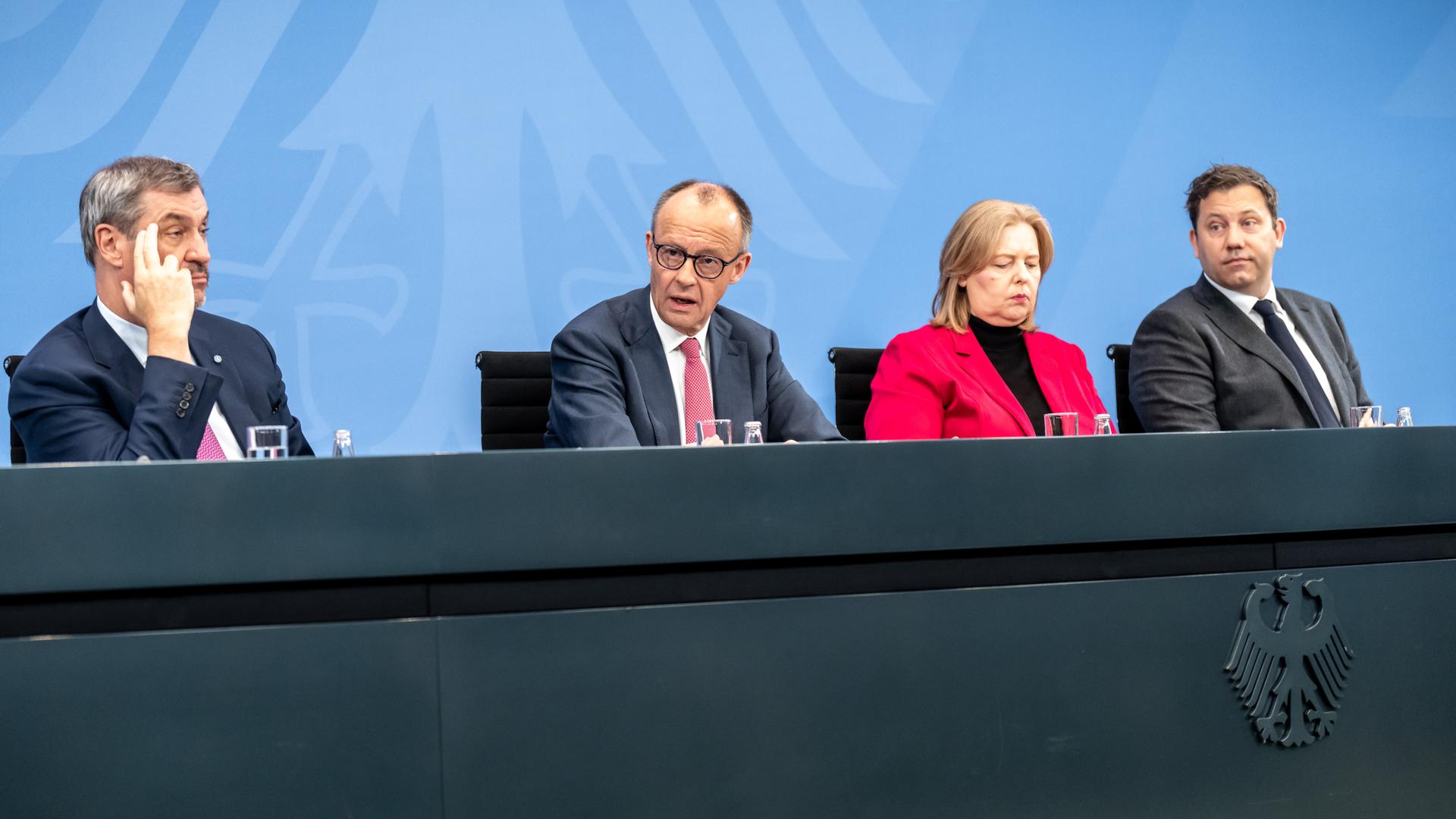
Germany Announces Fuel Relief Measures Amid Rising Energy Costs
As energy prices continue to strain households and businesses across germany fuel, the federal government has rolled out a set of relief measures aimed at easing the burden. The announcement, made in Berlin, includes temporary fuel tax cuts, financial incentives for workers, and long-term plans for tax and healthcare reforms.
While the coalition government has framed the move as necessary and timely, opposition parties and economic experts have raised serious concerns about its effectiveness and long-term impact.
What the Government Is Proposing
At the center of the relief package is a temporary reduction in the mineral oil tax. Chancellor Friedrich Merz confirmed that fuel taxes will be lowered by 17 cents per liter for a period of two months. The goal is to provide immediate financial relief to motorists and businesses struggling with high transportation and logistics costs.
The government has also urged oil companies to pass on the tax savings directly to consumers without delay. However, whether this will happen in practice remains uncertain and is a key point of skepticism among critics.
In addition to fuel relief, employers will be allowed to offer their germany fuel employees a tax-free bonus of up to €1,000. This measure is designed to support workers facing rising living costs without increasing the tax burden on businesses.
War and Energy Prices: The Government’s Justification
Chancellor Merz emphasized that the recent surge in energy prices is largely driven by geopolitical tensions, particularly the ongoing conflict involving Iran. According to him, global instability has disrupted energy markets, making price spikes unavoidable.
He also cautioned that the government cannot fully shield citizens from market fluctuations. Instead, the focus is on germany fuel targeted, temporary interventions combined with structural reforms.
Tax Reform and Healthcare Overhaul on the Horizon
Beyond immediate relief, the coalition has committed to broader economic reforms. A major tax reform targeting lower and middle-income groups is scheduled to take effect on January 1, 2027. Officials say they are currently working on the details to ensure fairness and sustainability.
Healthcare reform is also high on the agenda. The government plans to approve a draft law in April that will largely reflect the recommendations of an expert commission. The aim is to modernize the system and address long-standing inefficiencies.
Coalition Unity on Industry and Energy Policy
Leaders within the coalition have also highlighted agreements on industrial and energy policies. Markus Söder stressed that there is a shared position against a strict ban on internal combustion engines. Instead, the coalition supports a more balanced approach that protects the automotive industry while transitioning toward cleaner technologies.
There are also plans to strengthen domestic gas production, a move intended to reduce dependence on external energy sources and improve national energy security.
Meanwhile, Bärbel Bas announced efforts to tighten antitrust laws. The goal is to prevent germany fuel companies from exploiting market conditions to artificially inflate prices, a concern that has grown alongside rising costs at the pump.
Strong Criticism from Opposition Parties
Despite the government’s assurances, opposition leaders have been quick to criticize the measures.
Alice Weidel argued that the germany fuel tax reduction is insufficient and overdue. She pointed out that the policy comes weeks after energy prices had already surged, limiting its impact on struggling households.
From the Green Party, energy policy spokesperson Michael Kellner questioned the direction of the relief package. He criticized the government for making fossil germany fuels cheaper instead of investing more aggressively in renewable energy by reducing electricity taxes.
The Left Party also voiced strong opposition. Finance spokesperson Christian Görke described the tax cut as an expensive measure with limited benefits, suggesting that it ultimately favors oil companies more than consumers.

Economic Experts Raise Concerns
Criticism has not been limited to political opponents. Economic advisors, including Monika Schnitzer, have also expressed doubts about the effectiveness of the measures.
Experts warn that temporary tax cuts may provide short-term relief but do little to address the underlying causes of high energy prices. There is also concern that without strict oversight, oil companies may not fully pass on the benefits to consumers.
Public Reaction and What Comes Next
The announcement has triggered mixed reactions among the public. While some welcome any form of financial relief, others remain skeptical about whether the measures will lead to noticeable changes in daily expenses.
The coming weeks will be crucial in determining the real-world impact of the policy. In germany fuel prices, consumer behavior, and corporate responses will all play a role in shaping public perception.
At the same time, attention will shift toward the government’s promised reforms in taxation and healthcare. These long-term initiatives could prove more significant than the temporary relief measures if implemented effectively.
News which you won’t want to miss
- Why Osho Collected 93 Rolls-Royces and Shocked the Entire World
- Iran Ceasefire Explained: How Trump’s War Threats Turned Into a Fragile Two-Week Truce