 By Admin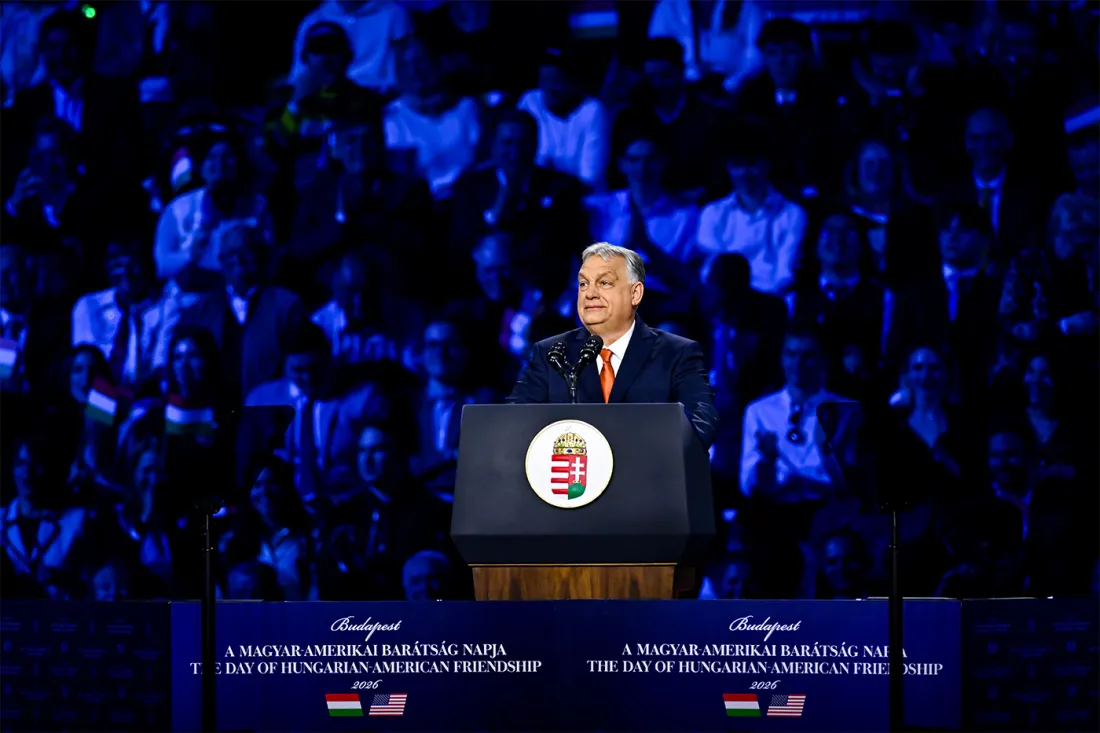
After more than a decade and a half at the center of Hungarian politics, Viktor Orbán has conceded defeat in a landmark election that could redefine not only Hungary’s future but also the broader political landscape across Europe.
The result marks a dramatic turning point. For years, Orbán had positioned himself as a leading figure in global populist politics, inspiring right-wing movements far beyond Hungary’s borders. Yet, in this election, a surge in voter turnout and growing dissatisfaction at home proved too strong to overcome.
A Vote for Change in Hungary
Hungarian voters turned out in record numbers, signaling a clear desire for change. The victory went to Peter Magyar, a center-right leader who campaigned on strengthening ties with the European Union and restoring democratic norms.
Magyar’s rise represents a significant shift in public sentiment. While Orbán had long championed a model he described as an “illiberal democracy,” many voters appeared ready to move toward a more traditional European political framework.
The outcome underscores a simple but powerful reality: even the most entrenched political figures remain accountable to the electorate.
Global Reactions: Celebration, Criticism, and Caution
The election result quickly drew reactions from political leaders in the United States and beyond.
Prominent Democrats, including Chuck Schumer and Hakeem Jeffries, framed Orbán’s defeat as a warning sign for populist leaders elsewhere. Both suggested that voter fatigue with strongman-style leadership could have implications for upcoming elections in the United States.
On the Republican side, responses were more measured. Roger Wicker described the outcome as a rejection of foreign influence, particularly pointing to Orbán’s long-standing ties with Vladimir Putin.
Meanwhile, allies of Donald Trump, who had openly supported Orbán, offered mixed reactions. Trump himself remained largely silent on the outcome, despite having endorsed Orbán and even participating in campaign-related events.
Business magnate Elon Musk criticized the result on social media, attributing the shift to external political influences, while references to George Soros once again surfaced in the debate—highlighting how polarizing narratives continue to shape global political discourse.
Orbán’s Legacy: A Polarizing Figure
Orbán’s tenure was defined by strong, often controversial positions. He built his political identity on nationalism, strict immigration policies, and skepticism toward global institutions.
His government frequently clashed with the European Union over issues ranging from judicial independence to media freedom. Supporters saw him as a defender of national sovereignty, while critics argued that his policies weakened democratic institutions.
Internationally, Orbán was one of the earliest and most vocal European supporters of Donald Trump, endorsing him during the 2016 U.S. presidential campaign. The two leaders shared similar rhetoric on immigration, globalism, and national identity.
Yet, these same positions may have contributed to the growing divide within Hungary itself.
Why Orbán Lost: Key Factors
Several factors appear to have contributed to Orbán’s defeat:
- Rising dissatisfaction among voters after 16 years of continuous rule
- Concerns over Hungary’s relationship with the European Union
- Criticism of democratic backsliding and institutional control
- Growing unease over ties with Russia amid ongoing geopolitical tensions
- A unified and focused opposition campaign under Peter Magyar
The election suggests that even deeply rooted political systems can shift when public sentiment changes.

What This Means for Europe and Beyond
Orbán’s defeat could have far-reaching implications beyond Hungary.
For the European Union, it may signal a potential easing of tensions with one of its most challenging member states. A pro-EU government in Hungary could lead to stronger cooperation on economic, political, and security issues.
Globally, the result may influence the trajectory of populist movements. Leaders who once looked to Orbán as a model may now face increased scrutiny from their own electorates.
At the same time, it would be premature to declare the end of populist politics. The forces that brought Orbán to power still exist, both in Hungary and elsewhere.
A Defining Political Moment
The 2026 Hungarian election stands as a reminder of the dynamic nature of democracy. Power, no matter how firmly held, can shift when voters decide it is time for change.
For Viktor Orbán, the defeat marks the end of a long and influential chapter. For Hungary, it opens the door to a new political era—one that will be closely watched across Europe and the world.
Whether this shift leads to lasting transformation or further political turbulence remains to be seen. But one thing is certain: this election will be remembered as a pivotal moment in modern European politics.
News that you won’t want to miss
- Why Osho Collected 93 Rolls-Royces and Shocked the Entire World
- Iran Ceasefire Explained: How Trump’s War Threats Turned Into a Fragile Two-Week Truce