 By Admin
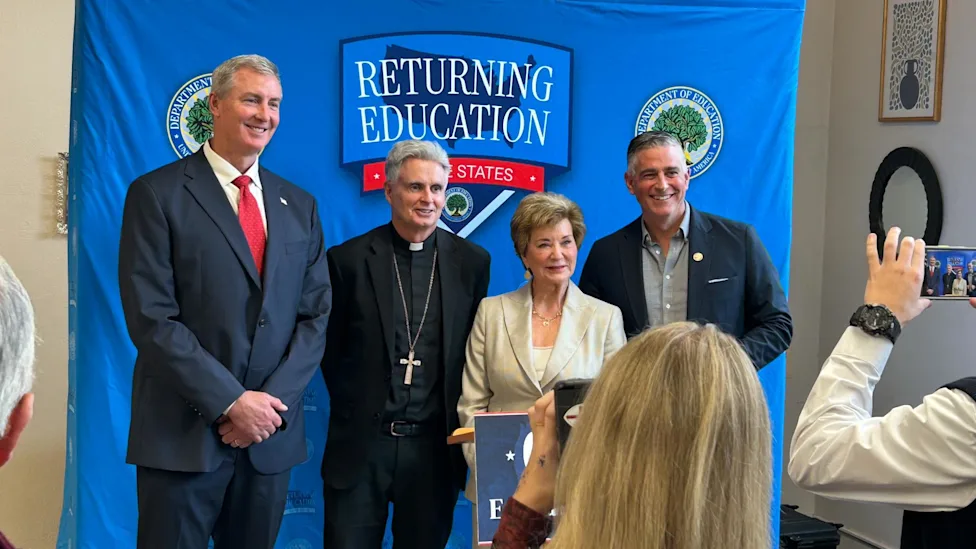
Education Secretary Linda McMahon is urging Washington to consider a new tax credit program designed to support school scholarships. The proposal is renewing debate over school choice, education funding, and the future of public schools.
SEO Details
SEO Title:
SEO Permalink:
Focus Keyword: Linda McMahon education tax credit program
Meta Description:
Suggested Tags: Linda McMahon, Education Tax Credit, School Scholarships, Washington Education Policy, School Choice, Public Education Funding, U.S. Education News
Linda McMahon Pushes Washington to Consider a New Education Tax Credit Program
U.S. Education Secretary Linda McMahon is urging Washington state to consider joining a new education tax credit program aimed at supporting school scholarships. The proposal has brought renewed attention to a long-running debate over how education should be funded, who should receive financial assistance, and what role government should play in expanding school choice.
The initiative could offer new opportunities for families seeking alternatives to their assigned public schools. At the same time, it raises questions about how scholarship funding might affect public education, particularly in communities where schools already face financial pressures.
Although supporters see tax credits as a potential way to widen educational opportunities, critics often question whether such programs provide benefits equitably and what their wider implications could be for public school systems.
What Is the Education Tax Credit Program?
An education tax credit program generally uses tax incentives to encourage eligible individuals or businesses to contribute money toward educational scholarships. Depending on the program’s rules, these contributions may help qualifying families cover certain education-related expenses.
Scholarship programs can help reduce financial barriers for families considering private schools or other eligible educational options. For households that cannot comfortably afford tuition, financial assistance may make alternatives more accessible.
However, the details matter. Eligibility requirements, the types of schools and expenses covered, scholarship distribution rules, and the program’s funding structure all influence who benefits.
The specific provisions of the program McMahon is promoting, including how Washington would participate and which students would qualify, are important details for policymakers and families to examine.
Why Linda McMahon Wants Washington to Participate
McMahon’s appeal puts the spotlight on the federal government’s efforts to encourage education policies that give families more options. Supporters of school choice argue that parents should have greater flexibility to select educational environments that suit their children’s needs, learning styles, and circumstances.
From this perspective, scholarship assistance could help families who otherwise have limited choices because of their financial situation. Advocates also argue that educational decisions should not be determined entirely by a family’s income or residential location.
For Washington, joining a tax credit initiative would require careful consideration of the program’s terms, potential benefits, and relationship with existing state education policies.
State lawmakers would need to assess how participation could affect students, families, taxpayers, and schools before deciding whether the proposal fits Washington’s priorities.
The Debate Over Public Education Funding
One of the biggest questions surrounding education tax credits is how they interact with public school funding.
Supporters argue that scholarship programs can give families more control over educational decisions and provide assistance to students who need alternatives to their current schools. They may also contend that expanding options encourages schools to respond more effectively to families’ expectations.
Opponents, however, raise concerns about fairness, accountability, and the distribution of public resources. They question whether tax incentives for private contributions could benefit some families while leaving others dependent on public schools that continue to serve the wider community.
The impact depends heavily on the program’s design. Policymakers must consider whether scholarships reach students with the greatest financial needs, whether participating schools meet appropriate standards, and whether the initiative creates additional pressure on existing education budgets.
These questions are particularly important because public schools provide more than classroom instruction. They also serve students with disabilities, offer support services, and educate children from a wide range of economic and social backgrounds.
What Could the Proposal Mean for Washington Families?
For parents, the most immediate concern is whether the program would provide meaningful financial assistance and who would be eligible to receive it.
If Washington participates, families would need clear information about application procedures, qualifying expenses, scholarship availability, and any restrictions on participating schools. They would also need to understand whether assistance would cover a substantial portion of education costs or only a limited amount.
Families should not assume that the proposal guarantees scholarships or that every student would qualify. Those outcomes would depend on the final rules and implementation arrangements.
Parents considering a school change should also compare the full cost of education, including tuition, transportation, supplies, and other expenses that may not be covered by scholarship assistance.
Questions Policymakers Will Need to Answer
Before Washington adopts an education tax credit program, several issues deserve close attention.
First, lawmakers need to determine how the program would operate under applicable federal and state rules. They must also establish how eligible contributions and scholarships would be administered.
Second, transparency and accountability will be essential. Families and taxpayers should be able to understand where the money goes, how scholarship recipients are selected, and what safeguards prevent misuse.
Third, policymakers must consider the program’s broader effects on educational access. A policy designed to expand opportunities should be evaluated on whether it helps students who face the greatest barriers, rather than simply increasing options for families who already have them.
Finally, officials should examine how the initiative would fit alongside existing investments in public schools. A balanced assessment would consider both the potential benefits of scholarship assistance and the importance of maintaining accessible, high-quality public education.

A Wider Debate About the Future of American Education
The discussion surrounding McMahon’s proposal reflects a broader national disagreement about the best way to improve educational outcomes.
For some families, school choice represents an opportunity to find a learning environment that better meets their children’s needs. For others, strengthening public schools remains the most effective way to ensure that every child receives a quality education, regardless of income or location.
These goals are not always mutually exclusive, but competing approaches can lead to difficult decisions about funding, oversight, and priorities.
The challenge for policymakers is to evaluate proposals using evidence, clear financial analysis, and measurable student outcomes. The success of any scholarship initiative should ultimately be judged by whether it improves access to meaningful educational opportunities and delivers benefits to the students it is intended to serve.
Conclusion
Linda McMahon’s call for Washington to consider an education tax credit program has placed school scholarships and education funding back in the spotlight. The proposal could create additional opportunities for some families, but its practical impact will depend on the program’s rules, eligibility criteria, and funding arrangements.
For Washington, the decision involves more than whether to support school choice. It also requires examining educational equity, financial accountability, and the long-term needs of public schools.
As the discussion continues, families and policymakers will need reliable information about how the initiative would work and who would benefit. Ultimately, the most important measure will be whether the policy helps students access better educational opportunities while addressing the needs of the wider education system.
News which you won’t want to miss
- Council Tax Reforms 2027: New Rules Give Vulnerable Households More Time and Protection
- 10 Technologies That Will Change the World by 2030: Real Shifts You Will Feel in Everyday Life
- Jimmy Kimmel vs Trump: Controversy Over Joke Sparks Debate on Free Speech and Responsibility
- Allbirds AI Pivot Explained: Why the Struggling Sneaker Brand Is Betting Big on Artificial Intelligence
- EasyJet Refund Controversy: Family’s £4,000 Dispute Sparks Debate Over Airline Compassion Policies