 By Admin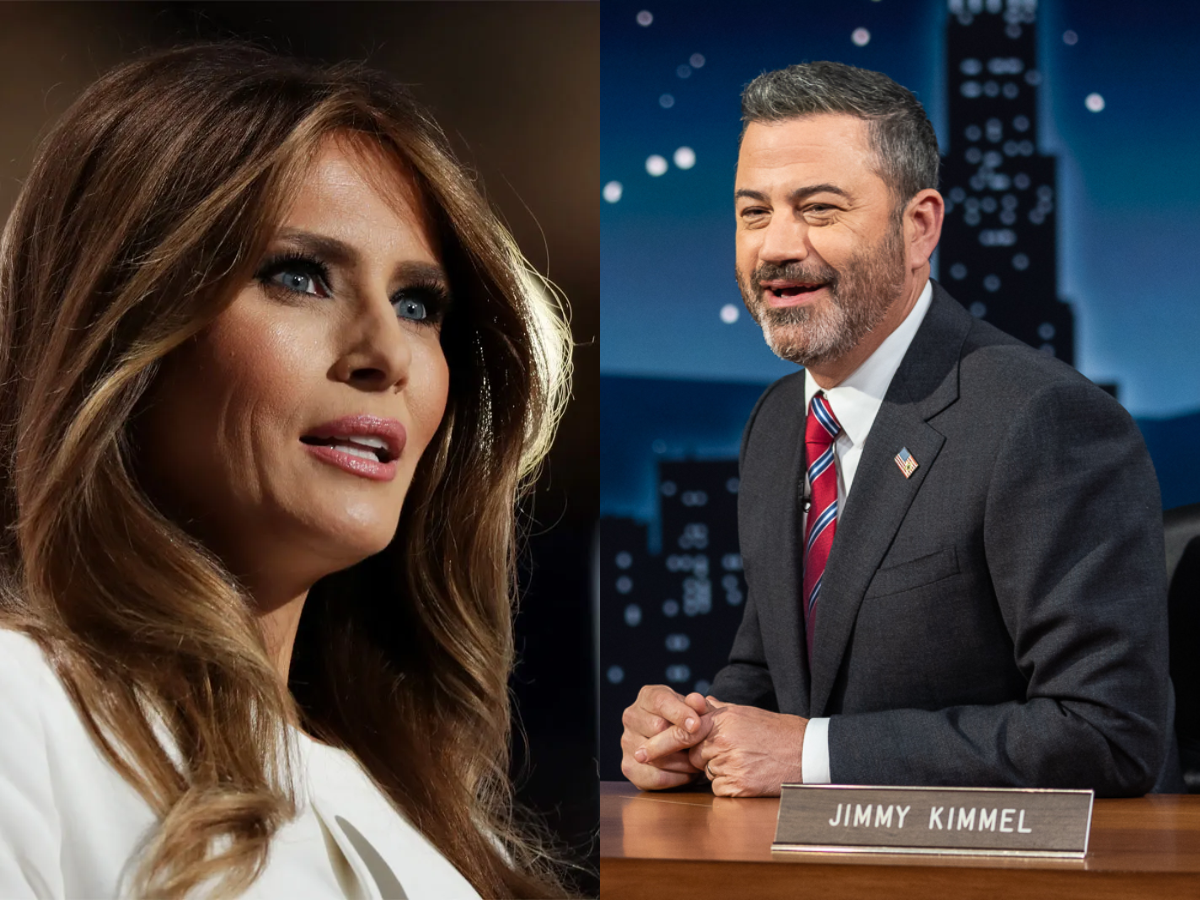
Jimmy Kimmel Responds to Trump Backlash as Controversy Grows Over Late-Night Joke
The latest clash between late-night television and politics has once again placed Jimmy Kimmel at the center of a heated national debate. What began as a routine comedy monologue has quickly escalated into a broader discussion about free speech, responsibility, and the limits of satire.
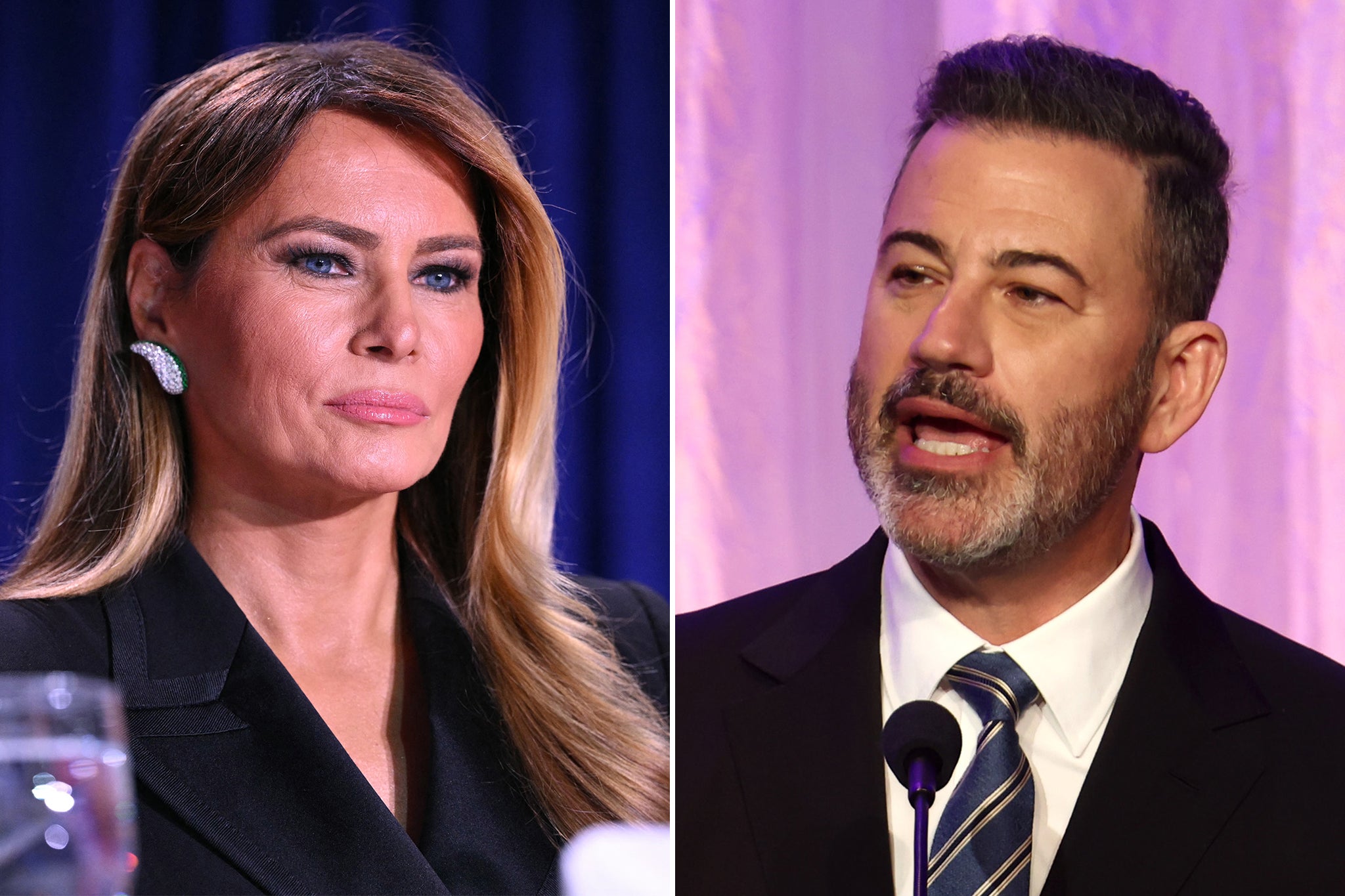
The controversy stems from a joke Kimmel made about Melania Trump during an episode of his show, Jimmy Kimmel Live!. The remark, delivered in a satirical “pretend roast” segment, drew attention after a separate and alarming incident unfolded just days later.
What Jimmy Kimmel Actually Said
During the segment, Kimmel made a quip about Melania Trump, referencing her demeanor and age difference with Donald Trump. The joke, as Kimmel later clarified, was intended as standard late-night humor—sharp, exaggerated, and rooted in satire.
However, the timing of the remark became a focal point after a security scare at the White House Correspondents’ Dinner, where an armed individual attempted to breach a checkpoint.
Although the two events were unrelated, critics quickly linked the tone of Kimmel’s joke to broader concerns about rhetoric and public discourse.
Kimmel’s hateful and violent rhetoric is intended to divide our country. His monologue about my family isn’t comedy- his words are corrosive and deepens the political sickness within America.
People like Kimmel shouldn’t have the opportunity to enter our homes each evening to…
— First Lady Melania Trump (@FLOTUS) April 27, 2026
Trump Calls for Action Against Kimmel
Following the incident, Donald Trump publicly criticized the comedian, calling his remarks inappropriate and going a step further by urging networks to take action.
In a statement posted on his platform, the former president described the joke as crossing a line and demanded that Kimmel be removed from his position. The criticism was echoed by Melania Trump, who expressed concern over the type of content being broadcast into American homes.
Their response highlights a long-standing tension between political figures and late-night hosts, where humor often intersects with criticism.
Jimmy Kimmel’s Response and Defense
Kimmel addressed the controversy directly during a subsequent monologue, making it clear that his original comment was never intended to promote harm or violence.
He emphasized that the joke was purely satirical and defended his right to comment on public figures. He also acknowledged the seriousness of the security incident, expressing sympathy for those affected and describing the situation as “traumatic and scary.”
Importantly, Kimmel drew a distinction between comedy and real-world actions. He reiterated his stance against violence and pointed out that satire has long been a part of American culture.
The Bigger Debate: Free Speech vs Responsibility
At its core, this situation goes beyond a single joke. It raises larger questions about where the line should be drawn in public discourse.
On one side, supporters of Kimmel argue that comedians have a long tradition of critiquing political leaders through humor. Satire, they say, plays an essential role in a democratic society by challenging authority and encouraging conversation.
On the other side, critics believe that influential platforms come with responsibility. They argue that certain remarks, even when intended as jokes, can contribute to a more hostile or divisive environment.
This tension isn’t new. Late-night television has often been a battleground for political commentary, especially in recent years as audiences increasingly look to comedians for both entertainment and perspective.
Timing and Public Perception
One of the key factors driving this controversy is timing. The joke itself might have passed without major backlash under different circumstances. However, its proximity to a real-world security incident changed how it was perceived.
Public reaction is often shaped not just by content, but by context. In moments of heightened sensitivity, even routine satire can be interpreted more seriously.
A Familiar Pattern in Media and Politics
This isn’t the first time Jimmy Kimmel has found himself at odds with political figures. Like many late-night hosts, he has frequently used his platform to comment on current events and public personalities.
Similarly, Donald Trump has a well-documented history of responding strongly to media criticism, particularly from comedians and entertainers.
The dynamic between the two reflects a broader cultural shift, where entertainment, politics, and public opinion are increasingly intertwined.
What Happens Next
As of now, there has been no official response from networks like ABC or The Walt Disney Company regarding calls for action against Kimmel.
Whether this controversy will lead to any tangible consequences remains uncertain. However, it has already reignited discussions about the role of humor in sensitive times.
The debate surrounding Jimmy Kimmel’s comments is unlikely to fade quickly. It touches on issues that extend far beyond a single monologue—questions about freedom of expression, accountability, and the evolving role of media in shaping public conversation.
In the end, the situation serves as a reminder that words, even when intended as jokes, can carry weight. And in today’s fast-moving media landscape, that weight can grow quickly depending on the moment.
News which you won’t want to miss
- B&M and Home Bargains Chocolate Recall: Urgent Allergy Warning Over Missing Ingredient Labels
- Council Tax Reforms 2027: New Rules Give Vulnerable Households More Time and Protection
- why Some Homes Sell Fast in a Slow Real Estate Market: Hidden Trends Buyers Can’t Ignore
- Allbirds AI Pivot Explained: Why the Struggling Sneaker Brand Is Betting Big on Artificial Intelligence
- EasyJet Refund Controversy: Family’s £4,000 Dispute Sparks Debate Over Airline Compassion Policies