 By Admin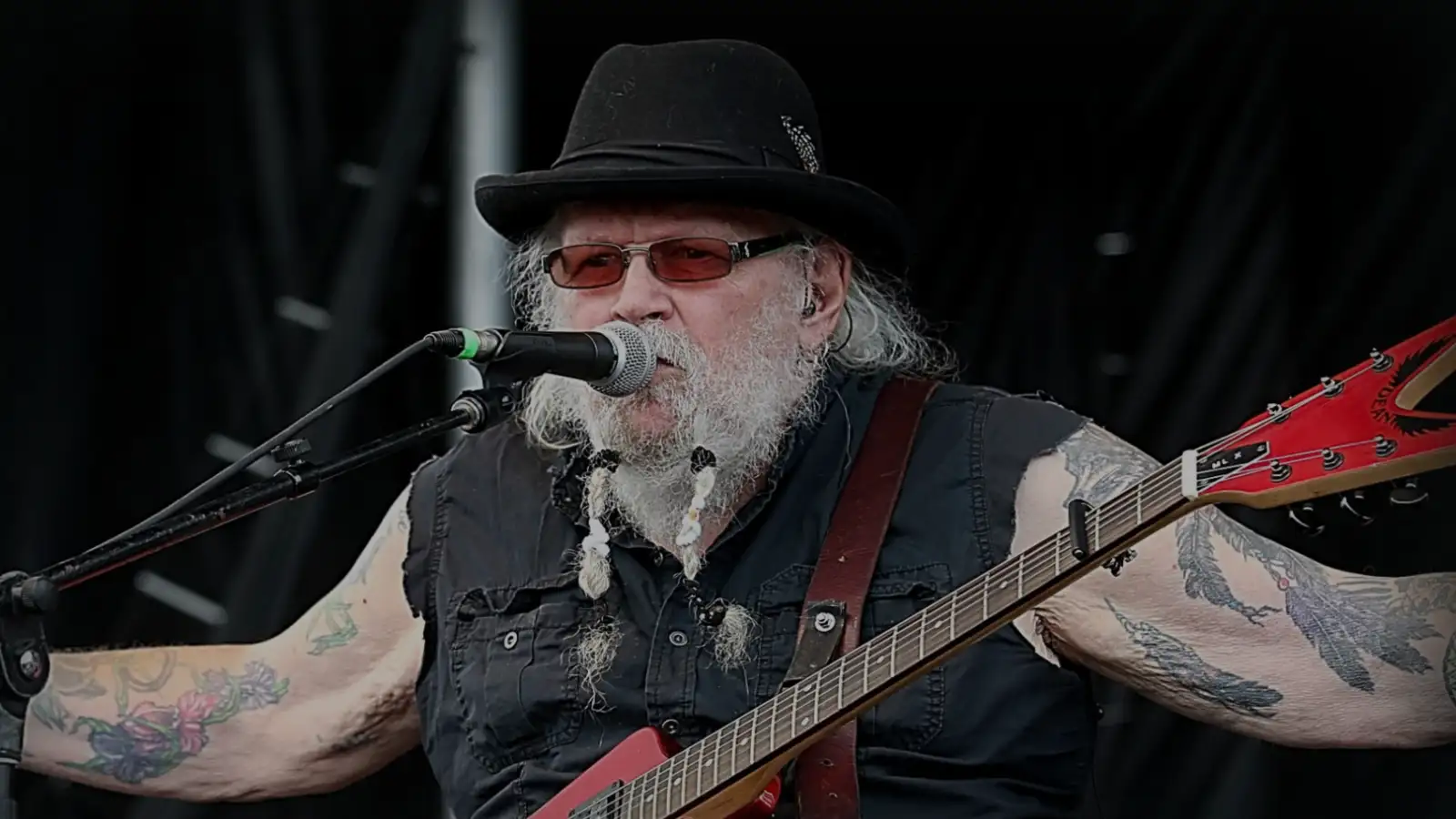
Outlaw country music lost one of its most uncompromising voices when David Allan Coe passed away at the age of 86. Known for his raspy baritone, sharp wit, and willingness to push boundaries, Coe defined an era of country that valued authenticity over politeness and storytelling over polish. His death, confirmed by his wife Kimberly to Rolling Stone, marks the end of a long, controversial, and deeply influential career in American music.
Kimberly called her husband “one of the best singers, songwriters, and performers of our time (and) never to be forgotten.” She described him as her “husband, my friend, my confidant and my life for many years,” underscoring both the personal bond they shared and the towering presence he held in the country landscape. For fans, the news is a reminder that, for all his contradictions, David Allan Coe was a true original.
Early Life and the Road to Nashville
Born in 1939 in Akron, Ohio, David Allan Coe spent much of his youth in and out of the justice system before eventually turning his attention to music. By the 1960s, he had made his way to Nashville, where he began writing songs for other country artists. It was behind the scenes at first, but it did not take long for his raw, unfiltered voice to step into the spotlight.
His big break came in 1973, when Tanya Tucker’s recording of his song “Would You Lay with Me (In a Field of Stone)” shot to No. 1 on the country charts. The success of that track helped open the door for Coe as a recording artist in his own right. He signed with Columbia Records and released his debut studio album, The Mysterious Rhinestone Cowboy, in 1974. From there, he quickly became a fixture in the growing “outlaw country” movement, which rejected the slick, polished Nashville sound in favor of grittier, more personal storytelling.
Signature Songs and Outlaw Persona
By the mid‑1970s, David Allan Coe had produced some of the songs that would define his legacy. His 1975 album One Upon a Rhyme included the now‑iconic “You Never Even Called Me by My Name,” a wry, self‑reflective take on country music conventions that became a cult favorite among fans. Just a year earlier, he had released “Longhaired Redneck,” a swaggering anthem that celebrated the image of a rebellious, long‑haired country singer standing outside the mainstream.
In 1977, his songwriting reached another peak when Johnny Paycheck took “Take This Job and Shove It” to No. 1, earning Coe a Grammy nomination and cementing his name in the country‑music hall of fame as a writer who could channel the frustrations of working‑class life into something both funny and fierce. Later, in the 1980s, he scored another hit with “The Ride,” a haunting ballad that spoke to the ghostly, almost mythic presence of late‑great country stars like Hank Williams, adding a layer of nostalgia and reverence to his outlaw image.

Controversy and the “X‑Rated” Albums
For all his musical acclaim, David Allan Coe was never far from controversy. His outlaw persona spilled off the stage and into his personal life and record choices. The late 1970s and early 1980s brought the release of two “X‑rated” albums, Nothing Sacred (1978) and Underground Album (1982), which pushed the boundaries of what was acceptable in country music.
These projects were filled with explicit language, crude humor, and lyrics that many listeners found offensive. The records included racial slurs, homophobic language, and misogynistic themes, prompting outrage and backlash when they were released. Coe denied being a racist, but the language on those albums haunted his reputation for decades. Over time, even some of his defenders conceded that the material crossed a line, and that the artist’s willingness to court shock value sometimes overshadowed the strengths of his songwriting.
Legal Troubles and Later Years
Coe’s troubles were not limited to artistic controversy. In the 2010s, he found himself back in the spotlight for legal reasons. In 2015, he pleaded guilty to obstructing the Internal Revenue Service from collecting taxes and was later ordered to pay nearly $1 million in back taxes and penalties. The case added another layer of complexity to his public image, reinforcing the picture of a man who lived on the edge, both musically and personally.
Still, his music continued to resonate. Over the course of his career, David Allan Coe released more than 40 albums, ranging from mainstream country to more experimental and provocative material. His ability to craft vivid, character‑driven songs ensured that his work stayed in the playlists of outlaw‑country loyalists, even as the broader industry moved in other directions.
The Legacy of David Allan Coe
Love him or loathe him, David Allan Coe cannot be ignored. His songs provided a raw, unfiltered look at the underside of American life, and his outlaw identity helped shape the way generations of fans think about country music as a genre that values honesty over decorum. While some of his choices will remain uncomfortable and indefensible, his influence on country songwriting and the outlaw tradition is hard to dispute.
For those who grew up listening to “The Ride,” “Mona Lisa Lost Her Smile,” or “You Never Even Called Me by My Name,” his passing is more than the loss of a performer—it is the closing of a chapter in country music history.
News which you won’t want to miss
- B&M and Home Bargains Chocolate Recall: Urgent Allergy Warning Over Missing Ingredient Labels
- Council Tax Reforms 2027: New Rules Give Vulnerable Households More Time and Protection
- Jimmy Kimmel vs Trump: Controversy Over Joke Sparks Debate on Free Speech and Responsibility
- Allbirds AI Pivot Explained: Why the Struggling Sneaker Brand Is Betting Big on Artificial Intelligence
- EasyJet Refund Controversy: Family’s £4,000 Dispute Sparks Debate Over Airline Compassion Policies