 By Admin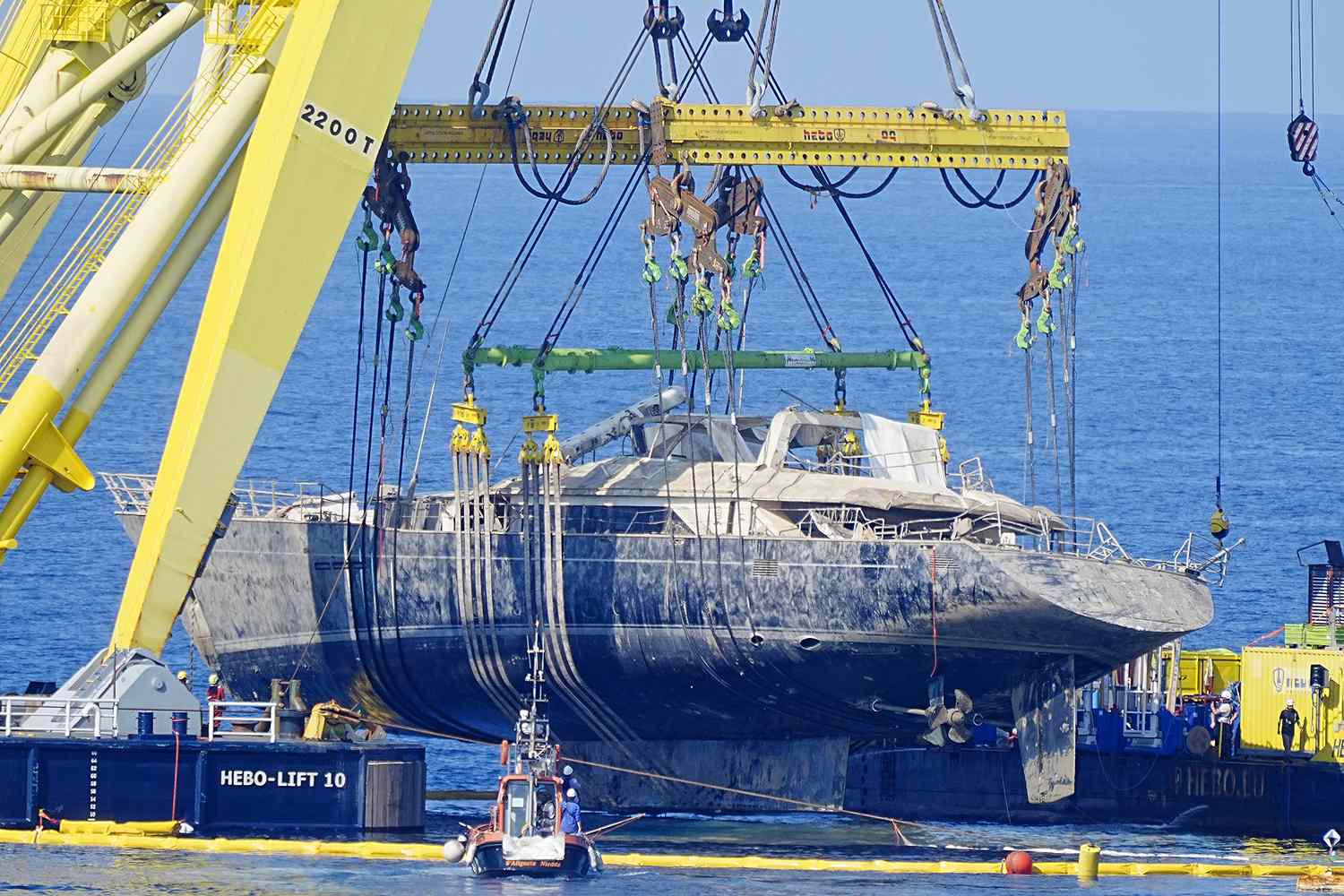
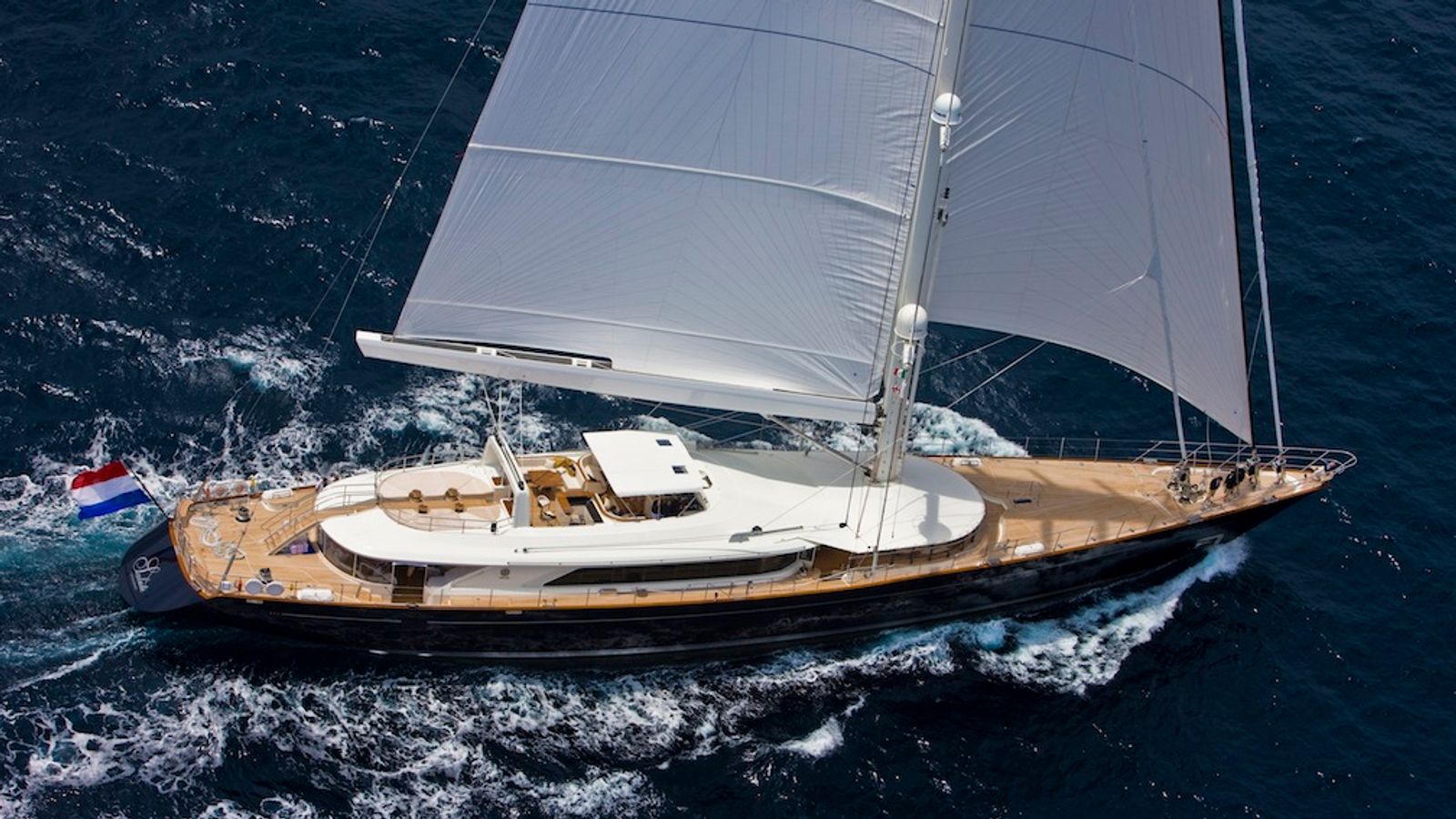
Bayesian Yacht Sinking: When the Bayesian superyacht capsized off the coast of Sicily on August 19, 2024, killing British tech billionaire Mike Lynch, his 18‑year‑old daughter Hannah, and five others, the immediate assumption was that a violent storm had simply overwhelmed the 56‑metre sailing yacht. The scene—waves, wind, and a luxury vessel foundering in the dark—felt like a classic case of nature overpowering even the wealthiest and most technologically advanced toys.
But now, Italian investigators are painting a far more complicated picture. According to early findings, the Bayesian yacht sinking was not caused by extreme weather alone; the crew’s conduct, underestimation of conditions, and possible failures in safety systems appear to have played a critical role. That conclusion raises disturbing questions: could this disaster have been avoided, even in bad weather, with better preparation and clearer decision‑making at the helm?
The Weather Wasn’t That Extreme
One of the most striking revelations in the ongoing investigation is that the weather that night, while rough, was not nearly as severe as many had assumed. Italian prosecutors appointed experts to analyze the storm’s intensity, and those experts reportedly found Bayesian Yach the conditions amounted to little more than a “squall”—a sudden spike in wind speed that typically signals an approaching thunderstorm, not a full‑blown hurricane.
By that description, the Bayesian should have been able to ride it out with proper seamanship. The yacht was a modern, professionally crewed vessel, anchored off the coast near Palermo, not caught in the open ocean during a named storm. For a vessel of that size and build, a squall alone should not have been enough to push it over the edge.
What the Investigators Believe Actually Went Wrong
Instead, investigators are focusing on human factors. Preliminary findings suggest the yacht sank because of a combination of:
-
The crew’s improper actions in handling the yacht during the changing conditions
-
An underestimation of the weather, leading to insufficient preparation
-
Safety devices that were not activated or used correctly, leaving the vessel more vulnerable than it should have been
Italian prosecutors are now considering crimes such as negligent shipwreck and multiple counts of manslaughter against the captain and at least two crew members. They are also examining whether the yacht’s builder or designers could bear some legal responsibility, either for how the Bayesian responded to wind stress or for how clearly those risks were communicated to the owner and crew.
That line of inquiry hints at a deeper problem: that the ship was potentially more fragile than it appeared on paper, and that those vulnerabilities were not fully understood by the people who had to manage it in real‑time.
The Human Cost of the Bayesian Sinking
The human toll of the Bayesian yacht sinking is staggering. Alongside Mike Lynch and his daughter, the victims included the yacht’s chef, Recaldo Thomas; Morgan Stanley International chairman Jonathan Bloomer and his wife Judy; and Lynch’s lawyer, Chris Morvillo, and his wife, Neda. The scale of the loss—seven lives, many of them closely tied to finance, law, and technology—tells a story of privilege, connection, and the very real dangers that come with wealthy lifestyle choices.
For the survivors, including Lynch’s wife Angela Bacares, the aftermath is a mix of grief and confusion. Families and friends are left to reconcile the idea that even a billionaire with the best resources could not guarantee safety at sea, especially when human error and systemic oversight are involved.
Why the Bayesian Case Matters Beyond One Yacht
The Bayesian yacht sinking is more than a maritime accident; it is a reminder that luxury does not equal invulnerability. The case is likely to spark tighter scrutiny of how large yachts are designed, maintained, and operated, especially when they carry high‑profile passengers in vulnerable coastal waters.
If the investigation ultimately confirms that the crew’s decisions and the ship’s safety systems were as much to blame as the weather, regulators may push for stricter rules around crew training, real‑time weather monitoring, and explicit guidance on what stability limitations vessels like the Bayesian have. It may also force owners and managers to ask tougher questions about which risks are worth taking—and which are simply too great, no matter how glamorous the setting.
Bayesian Yacht For now, the sunken wreck of the Bayesian stands as a quiet, underwater monument to what happens when nature, human error, and institutional assumptions collide. The official answers may still be months or even years away, but the direction of the current investigation is already clear: this was not simply a storm at sea. It was a failure of preparation, judgment, and safety that turned a vacation on the Mediterranean into a tragedy.
News which you won’t want to miss
- B&M and Home Bargains Chocolate Recall: Urgent Allergy Warning Over Missing Ingredient Labels
- Council Tax Reforms 2027: New Rules Give Vulnerable Households More Time and Protection
- Jimmy Kimmel vs Trump: Controversy Over Joke Sparks Debate on Free Speech and Responsibility
- Allbirds AI Pivot Explained: Why the Struggling Sneaker Brand Is Betting Big on Artificial Intelligence
- EasyJet Refund Controversy: Family’s £4,000 Dispute Sparks Debate Over Airline Compassion Policies