 By Admin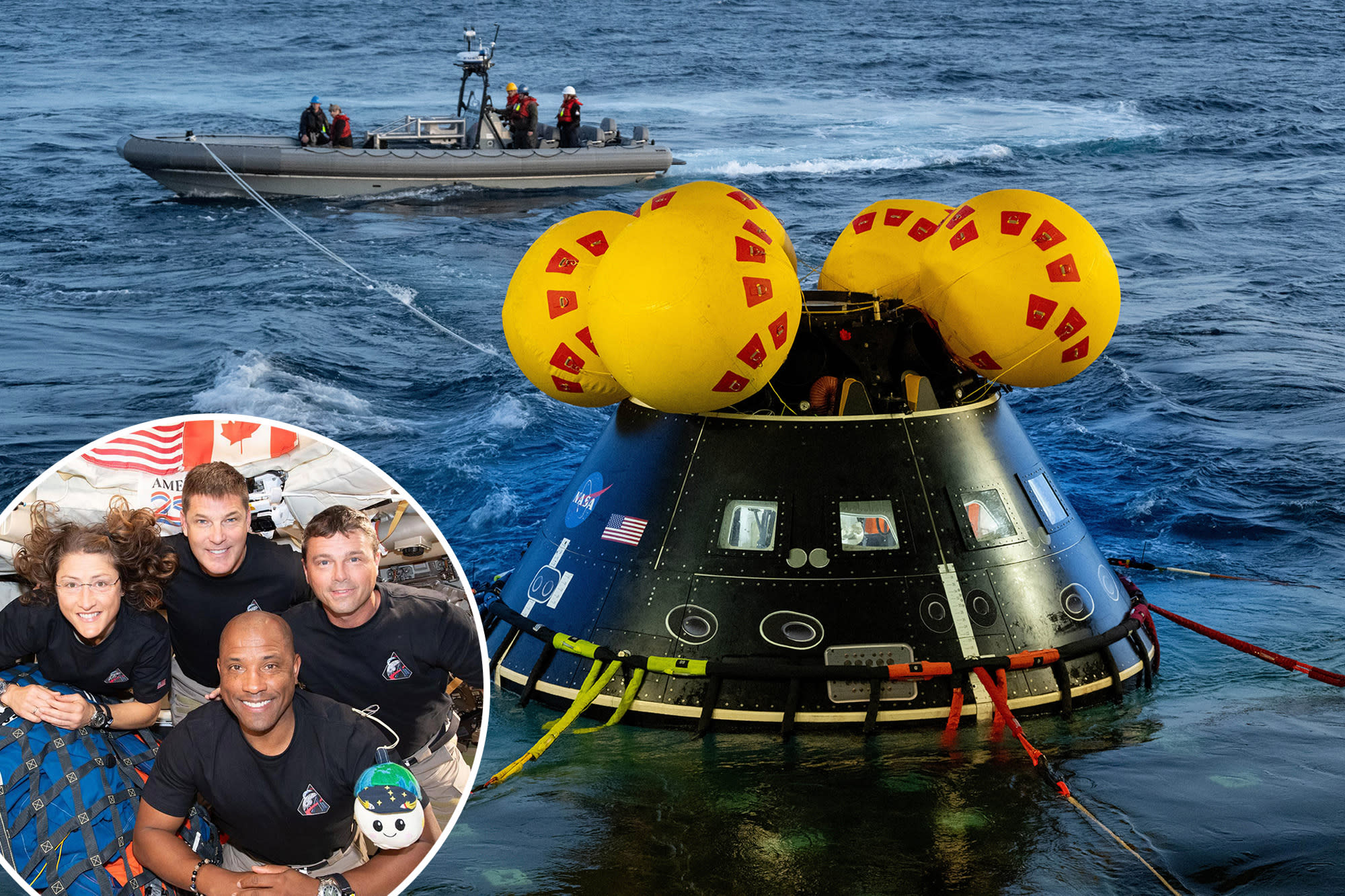
Artemis II Splashdown: A Historic Return from Deep Space
Humanity is witnessing a landmark moment in modern space exploration as NASA’s Artemis II mission prepares to complete its journey with a dramatic high-speed return to Earth.
After a groundbreaking 10-day voyage beyond low Earth orbit, the Artemis II crew is now on the final leg of their mission — a fiery, high-stakes reentry into Earth’s atmosphere followed by a precision splashdown in the Pacific Ocean.
This isn’t just another space mission ending.
It’s the first crewed deep space return since the Apollo era, marking a major leap toward humanity’s next chapter: a permanent return to the Moon.
What Made Artemis II So Special?
Launched on April 1, Artemis II wasn’t just a routine test flight. It was a bold demonstration of NASA’s long-term vision to send humans deeper into space than ever before.
Unlike previous missions confined to low Earth orbit, Artemis II:
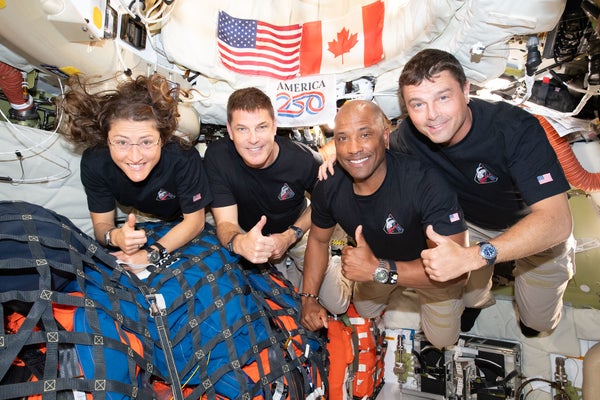
- Carried four astronauts beyond Earth’s immediate vicinity
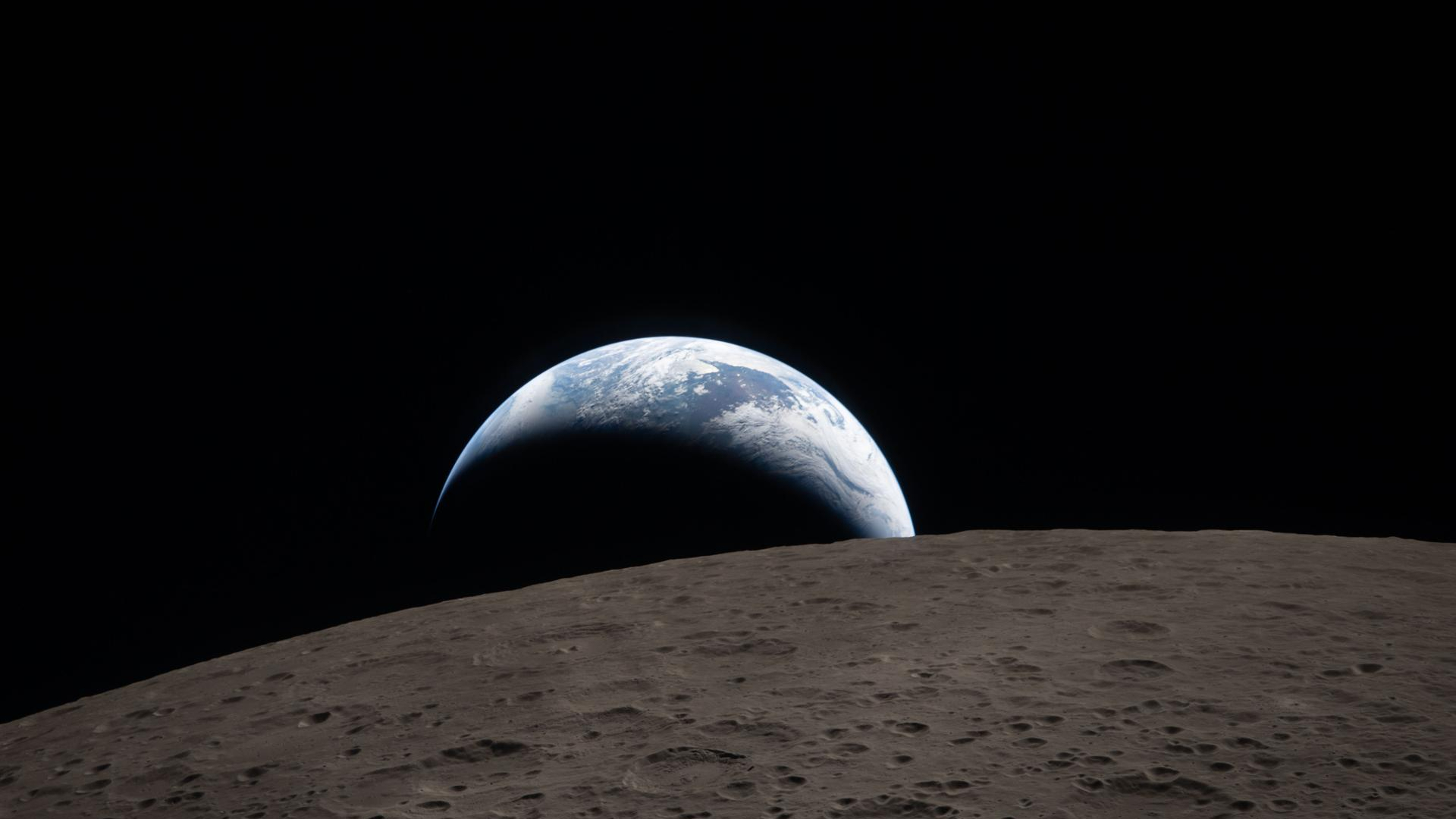
- Conducted a flyby around the Moon
- Tested critical systems including life support, navigation, and propulsion
- Traveled farther and faster than most human missions in history
While the mission did not include a lunar landing, it served as a crucial stepping stone toward future missions — especially the planned human Moon landing under the Artemis program later this decade.
The Most Dangerous Phase: Reentry at 25,000 MPH
As the Orion spacecraft begins its descent, the astronauts will face one of the most intense phases of space travel — atmospheric reentry.
Here’s what makes it extraordinary:
Speed Like Never Before
The Orion capsule will hit Earth’s atmosphere at approximately:
- 25,000 miles per hour (40,000 km/h)
This rivals the fastest speeds ever experienced by humans.
Extreme Heat
- Temperatures around the spacecraft will soar to nearly 3,000°F (1,650°C)
- A specially designed heat shield protects the crew from incineration
Intense G-Forces
- Astronauts will endure about 3.9 Gs, nearly four times Earth’s gravity
- This puts significant pressure on the body, even for highly trained space travelers
How NASA Safely Brings Them Home
Despite the extreme conditions, NASA has engineered a carefully choreographed sequence to ensure a safe landing.
Step-by-Step Splashdown Process:
- Atmospheric Entry
The capsule begins deceleration as it hits Earth’s atmosphere. - Heat Shield Protection
The heat shield absorbs and deflects extreme temperatures. - Parachute Deployment
A series of parachutes deploy in stages:- First to stabilize
- Then to slow the capsule dramatically
- Speed Reduction
The spacecraft slows from 25,000 mph to just 17 mph before landing. - Ocean Splashdown 🌊
The capsule lands in the Pacific Ocean near San Diego, California.
When and Where Is the Splashdown?
- Date: Friday, April 10
- Time: Around 8:07 p.m. EDT
- Location: Pacific Ocean off the coast of California
This precise landing zone allows recovery teams to quickly reach the astronauts and safely retrieve the spacecraft.
Why Artemis II Matters for the Future
Artemis II is far more than a successful mission — it’s a proof of concept for humanity’s return to deep space exploration.
Here’s why it’s a big deal:
1. Pathway to the Moon
The mission validates technologies needed for a future human Moon landing planned for 2028.
2. Deep Space Readiness
NASA tested systems that must function far beyond Earth’s protective orbit — a critical requirement for long-duration missions.
3. Human Endurance in Space
The mission provided valuable data on how astronauts perform in deep space conditions.
4. Foundation for Mars Missions
Every Artemis mission brings humanity one step closer to eventual missions to Mars.
A Moment Not Seen Since Apollo
The Artemis II splashdown carries deep historical significance.
The last time astronauts returned from deep space was during the Apollo missions of the 1970s.
For over 50 years, human spaceflight remained largely within Earth’s orbit.
Now, Artemis II has broken that barrier once again.
This moment symbolizes:
- A revival of deep space exploration
- A shift from orbit-based missions to interplanetary ambitions
- The beginning of a new space era
Final Thoughts: A Giant Leap Forward
As Artemis II astronauts descend toward Earth at breathtaking speed, they carry more than just mission data — they carry the hopes of a new generation of explorers.
This mission proves that:
- Humanity is ready to go beyond Earth again
- The technology is catching up with ambition
- The dream of returning to the Moon is no longer distant — it’s happening
And as the capsule splashes down in the Pacific, one thing becomes clear:
This is not the end of a mission — it’s the beginning of a new era in space exploration.
News which you won’t want to miss
- Why Osho Collected 93 Rolls-Royces and Shocked the Entire World
- Iran Ceasefire Explained: How Trump’s War Threats Turned Into a Fragile Two-Week Truce