 By Admin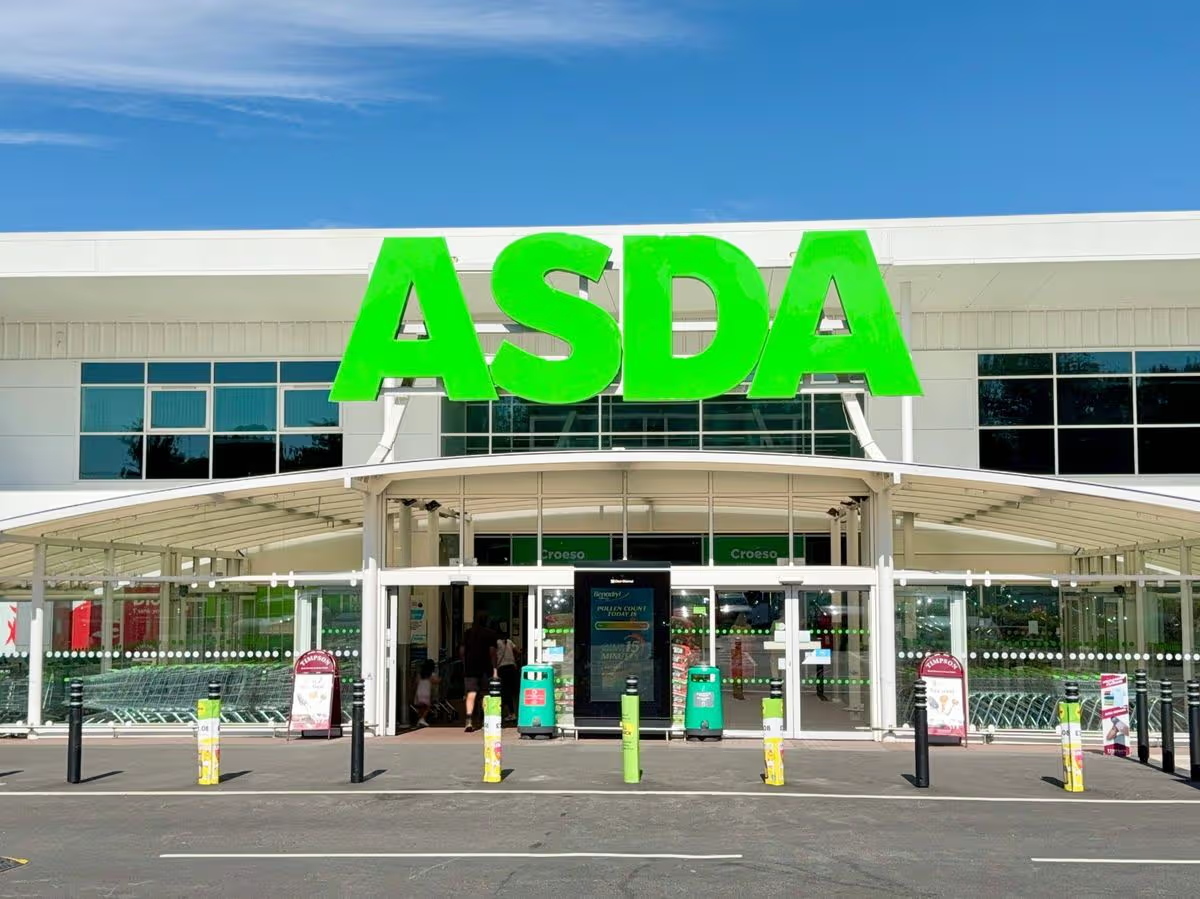
Asda Cheapest Supermarket Branded Goods: Why It’s Beating Loyalty Schemes in 2026
For years, UK shoppers have relied on loyalty cards and special discounts to cut down grocery bills. But new research suggests a surprising shift in the real estate of supermarket savings. According to a detailed analysis by Which?, Asda has once again claimed the title of the cheapest supermarket for branded groceries—without relying heavily on loyalty schemes.
This finding is reshaping how consumers think about value, especially at a time when food prices continue to rise. shop with Asda
A Clear Winner Without the Need for Loyalty Cards
The study compared the cost of a large basket of 241 commonly purchased branded items across major UK supermarkets. The results were striking. Asda came out on top with a total average cost of £813.16, beating competitors like Tesco and Sainsbury’s, even when their loyalty discounts were taken into account.
This is significant because both Tesco and Sainsbury’s have invested heavily in membership-based pricing systems like Clubcard and Nectar. These programs often advertise major savings, but the data suggests that consistent everyday pricing at Asda may be more reliable for shoppers who prefer branded goods.
Price Gaps That Can’t Be Ignored
One of the most eye-opening aspects of the report is the dramatic difference in prices for identical products across supermarkets.
Take, for example, a 500ml bottle of Filippo Berio olive oil. At Asda, it averaged £4.98, while at Waitrose it reached £8.51. That’s a £3.53 difference for the exact same product.
Similar patterns were found across other items:
- Tilda basmati rice (4 pack) cost £1 at Tesco without a loyalty card, compared to £2.25 at Waitrose
- Filippo Berio extra virgin olive oil (750ml) was £7 at Morrisons versus £11.35 at Waitrose
These differences highlight a growing issue in the supermarket industry: pricing inconsistency. For shoppers, it means that where you shop can matter just as much as what you buy.
Why Asda’s Strategy Is Working
The success of Asda in the “asda cheapest supermarket branded goods” category comes down to a simple approach—straightforward pricing.
Instead of relying heavily on membership discounts or temporary deals, Asda focuses on keeping base prices low across a wide range of branded items. This appeals especially to customers who don’t want the hassle of tracking offers, scanning loyalty cards, or worrying about whether they’re getting the best deal.
In contrast, loyalty schemes often provide targeted discounts that vary from customer to customer. While they can offer savings, they also introduce complexity and unpredictability.
Not Every Product Follows the Trend
Despite Asda’s overall win, the report also revealed that no single supermarket is the cheapest for everything.
For instance, Waitrose was found to offer the best price on certain items like Twinings Everyday Tea Bags, significantly undercutting competitors. This reinforces the idea that savvy shoppers may still benefit from comparing prices across stores.
In other words, the market is still a mix of opportunities rather than a one-size-fits-all solution.

Rising Prices Add Pressure on Shoppers
This pricing debate comes at a challenging time for UK households. According to the Institute of Grocery Distribution, grocery bills could increase sharply due to global factors such as geopolitical tensions.
Some estimates suggest that annual household food costs could rise by as much as £150. In this environment, even small price differences between supermarkets can have a meaningful impact over time.
What This Means for Everyday Shoppers
The takeaway is simple but important. Loyalty cards are no longer the only path to savings. While they still offer benefits, they may not always deliver the lowest overall cost for branded goods.
Shoppers who prioritize well-known brands might find better value by choosing supermarkets with consistently lower base prices rather than chasing promotional deals.
At the same time, flexibility remains key. Comparing prices, staying aware of offers, and occasionally switching stores can help maximize savings.
A Changing Supermarket Landscape
The rise of Asda as the cheapest supermarket for branded goods reflects a broader shift in consumer behavior. People are becoming more price-conscious, less brand-loyal to retailers, and more willing to change shopping habits in search of better value.
As competition intensifies, supermarkets may need to rethink their strategies. Whether that means improving transparency, simplifying pricing, or enhancing loyalty programs, the pressure is clearly mounting.
The “asda cheapest supermarket branded goods” trend is more than just a headline—it’s a signal of changing priorities in the UK grocery market. As shoppers face rising costs, they are looking for clarity, consistency, and genuine value.
For now, Asda appears to be delivering exactly that. But in a market this competitive, the top spot is never guaranteed to last.
News which you won’t want to miss
- B&M and Home Bargains Chocolate Recall: Urgent Allergy Warning Over Missing Ingredient Labels
- Council Tax Reforms 2027: New Rules Give Vulnerable Households More Time and Protection
- Jimmy Kimmel vs Trump: Controversy Over Joke Sparks Debate on Free Speech and Responsibility
- Allbirds AI Pivot Explained: Why the Struggling Sneaker Brand Is Betting Big on Artificial Intelligence
- EasyJet Refund Controversy: Family’s £4,000 Dispute Sparks Debate Over Airline Compassion Policies