 By Admin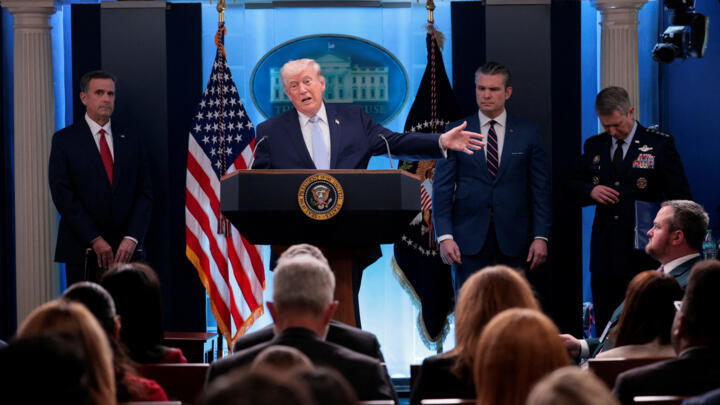
Tensions between the United States and Iran have reached a dangerous new phase after President Donald Trump issued a hard public ultimatum tied to one of the world’s most important oil routes.
Trump has demanded that Iran reopen the Strait of Hormuz — or face a fresh wave of U.S. military action targeting critical infrastructure inside the country.
As the deadline approaches, the threat has gone from political theater to a real geopolitical flashpoint. Markets are nervous, military analysts are watching closely, and world leaders are bracing for what could happen if Tehran refuses to back down.
So what exactly is Trump demanding, when is the deadline, and why does this matter so much?
Here’s the full breakdown.
What Is Trump’s Ultimatum to Iran?
At its core, Trump’s ultimatum is simple:
Reopen the Strait of Hormuz — or face U.S. strikes.
Trump has publicly warned that if Iran does not allow passage through the strait again, the U.S. could hit key Iranian infrastructure, including:
- power plants
- bridges
- and other major domestic targets
Reuters reported that Trump specifically escalated the rhetoric over the weekend, saying Tuesday would be “Power Plant Day” and “Bridge Day” if Iran did not comply.
In other words, this is not just a vague diplomatic warning.
It is a direct military threat tied to a very specific strategic demand.
And that’s what makes it so serious.
When Is Trump’s Iran Deadline?
Trump’s stated deadline is 8:00 p.m. Eastern Time on Tuesday, April 7.
That is the cutoff point he has attached to his latest public warning.
If Iran has not reopened the Strait of Hormuz by then — or if there is no last-minute diplomatic breakthrough — the White House has signaled that military action could follow.
Reuters reported that Trump intensified his rhetoric again on April 7, warning that “a whole civilization will die tonight” if the standoff continues.
That language has raised alarm not just because of its tone, but because it suggests the administration wants Tehran to believe the threat is immediate and real.
What happens next in the Iran standoff? The clock is ticking on Trump’s deadline, and Tehran just rejected a ceasefire push as both sides dig in. #OmoOlofaIna #Breaking #MiddleEastpic.twitter.com/rXFXoaAoYG
— Adetunji Adewolu (@AdetunjiAdewolu) April 7, 2026
Has Trump Given Iran Other Deadlines Before This?
Yes — and he has already moved the goalposts more than once.
This is not the first deadline Trump has given Iran during the current crisis.
According to the timeline described in recent reporting, Trump had already:
- threatened strikes in late March
- suggested earlier military deadlines
- then extended or paused those threats while claiming negotiations were underway
Reuters reported that Trump previously delayed action while saying talks were possible, even as Iranian officials publicly denied meaningful negotiations were taking place.
That history matters because it creates two competing possibilities:
Either:
- This deadline is more serious than the earlier ones
or
- This is another pressure tactic meant to force movement without immediate action
And right now, no one outside the White House can say with certainty which one it is.
What Would Iran Have to Do to Avoid U.S. Strikes?
Iran would need to reopen the Strait of Hormuz.
That is the central demand.
Trump has tied the threat of military action directly to maritime access through the strait, which has become one of the biggest pressure points in the current regional conflict.
If Iran restores or allows free passage through the waterway, that would likely be the clearest immediate step toward defusing the crisis.
But there’s a problem:
Iran does not appear ready to do that.
Reuters reports that Iran rejected a Pakistan-backed ceasefire proposal and responded with a list of demands of its own, including broader regional and political conditions.
That means Tehran is not simply treating this as a one-step maritime issue.
It is treating it as part of a larger confrontation involving war, sanctions, and regional power.
And that makes a quick resolution much less likely.
Why the Strait of Hormuz Matters So Much
If you’re wondering why this one narrow waterway has become such a big deal, the answer is simple:
Because the global economy runs through it.
The Strait of Hormuz is one of the most strategically important shipping lanes in the world. It connects the Persian Gulf to the Gulf of Oman and the Arabian Sea, and it is essential for moving oil and gas out of the region.
Reuters reports that around 20% of the world’s oil shipments pass through Hormuz, which is why any disruption there immediately shakes global energy markets.
That means this is not just a U.S.-Iran standoff.
It is a crisis with direct implications for:
- fuel prices
- shipping
- inflation
- energy security
- and global financial stability
That’s why every threat tied to Hormuz gets worldwide attention.
Because when Hormuz is blocked, the impact doesn’t stay local.
What Happens If Iran Refuses?
This is the question everyone is asking — and the honest answer is:
No one knows exactly what happens next, but the risks are huge.
If the deadline passes without movement from Tehran, the most likely next step would be some form of targeted U.S. military action.
Based on Trump’s own public language, likely targets could include:
- electrical infrastructure
- bridges
- transportation routes
- or energy-linked facilities
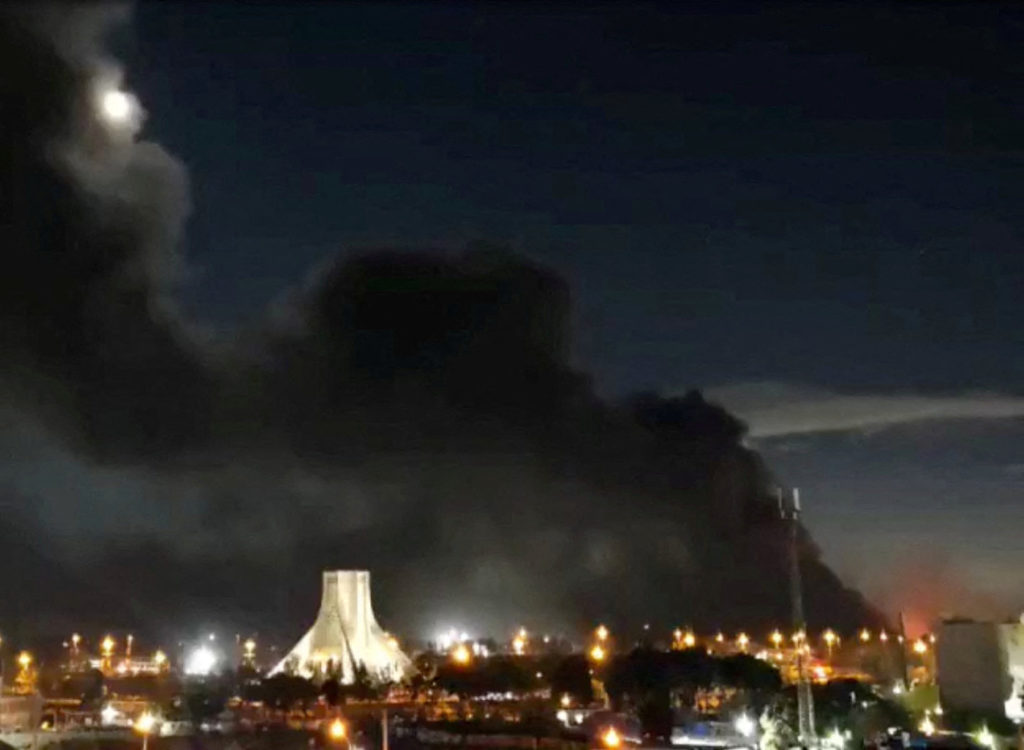
Reuters has reported that U.S. and Israeli strikes have already hit Iranian infrastructure in recent days, meaning the military threshold has already been crossed to some extent.
So if the deadline expires, the question may not be whether the pressure escalates — but how far.
And that’s where things become dangerous.
Because once infrastructure becomes a regular target, retaliation becomes more likely, and the war can widen very quickly.
How Has Iran Responded So Far?
Publicly, Iran is not backing down.
Iranian officials and state-linked outlets have responded with a mix of:
- rejection
- counter-demands
- and military messaging
Reuters reported that Iran responded to mediation efforts with a 10-point counterproposal and has shown no clear sign of reopening the strait under Trump’s conditions.
That matters because it shows Tehran does not want to appear as though it is yielding under direct U.S. pressure.
And politically, that makes compromise harder.
If Iran caves too easily, it risks looking weak at home and across the region.
If it refuses, it risks further strikes.
That’s the trap of ultimatums:
they create urgency, but they also shrink the room for face-saving diplomacy.
Why the Scrapped Pentagon Briefing Matters
One of the more interesting developments is that a planned Pentagon press briefing related to the Iran conflict was reportedly scrapped ahead of the deadline.
That may sound like a small scheduling note — but in a crisis like this, it can mean a lot.
When a major military briefing is suddenly canceled, analysts often read it in a few possible ways:
It could mean:
- officials don’t want to reveal operational details
- internal plans are still shifting
- the White House wants tighter message control
- or military decisions are still being finalized
It does not automatically mean strikes are coming.
But it does suggest that something important may still be in motion behind the scenes.
And in a high-stakes standoff, even silence can be a signal.
What This Means for Oil Prices and the Global Economy
Even before any new military move, the ultimatum is already having consequences.
Reuters reports that oil prices have risen sharply as the deadline nears and as the Strait of Hormuz remains under pressure.
That makes sense, because traders are reacting not just to what has happened — but to what might happen next.
If the strait remains disrupted or if new attacks hit infrastructure, it could push:
- crude prices higher
- shipping insurance costs upward
- regional supply chains into chaos
- and broader inflation fears back into the spotlight
So even if you’re nowhere near the Middle East, this crisis can still hit:
- gas prices
- airline costs
- market sentiment
- and everyday consumer prices
That’s why this ultimatum matters far beyond diplomacy.
It has real-world economic consequences.
What the Deadline Really Means Politically
Trump’s ultimatum is also political theater with real-world risk attached.
It sends a message on several levels:
To Iran:
The U.S. wants visible compliance, not slow negotiation.
To U.S. allies:
Washington wants to look decisive and in control.
To Trump’s domestic audience:
He is trying to project strength, urgency, and command.
But there’s also a political risk.
If Trump sets a dramatic deadline and then does nothing, critics will say he blinked.
If he follows through with strikes and the conflict widens, critics will say he escalated recklessly.
That means the ultimatum is not just a military gamble.
It’s also a political one.
And those are often the most dangerous kind.
Bottom Line: What Does Trump’s Deadline Actually Mean?
Here’s the clearest way to understand it:
Trump’s Iran deadline is not just about a shipping lane.
It is about:
- military leverage
- oil and energy security
- regional dominance
- political credibility
- and whether this crisis is heading toward de-escalation or a wider war
The deadline is 8 p.m. ET on Tuesday, April 7.
If Iran does not reopen the Strait of Hormuz — or if no alternative breakthrough emerges — the U.S. may escalate with strikes on Iranian infrastructure.
That does not guarantee immediate all-out war.
But it does mean the region is once again sitting on the edge of a major military decision.
And once that edge is crossed, getting back becomes much harder.
News which you won’t want to miss
-
The Rise of AI Agents: Why 2026 Is the Year of Digital Employees
- What Is Multimodal AI? The Technology Redefining Artificial Intelligence in 2026